|
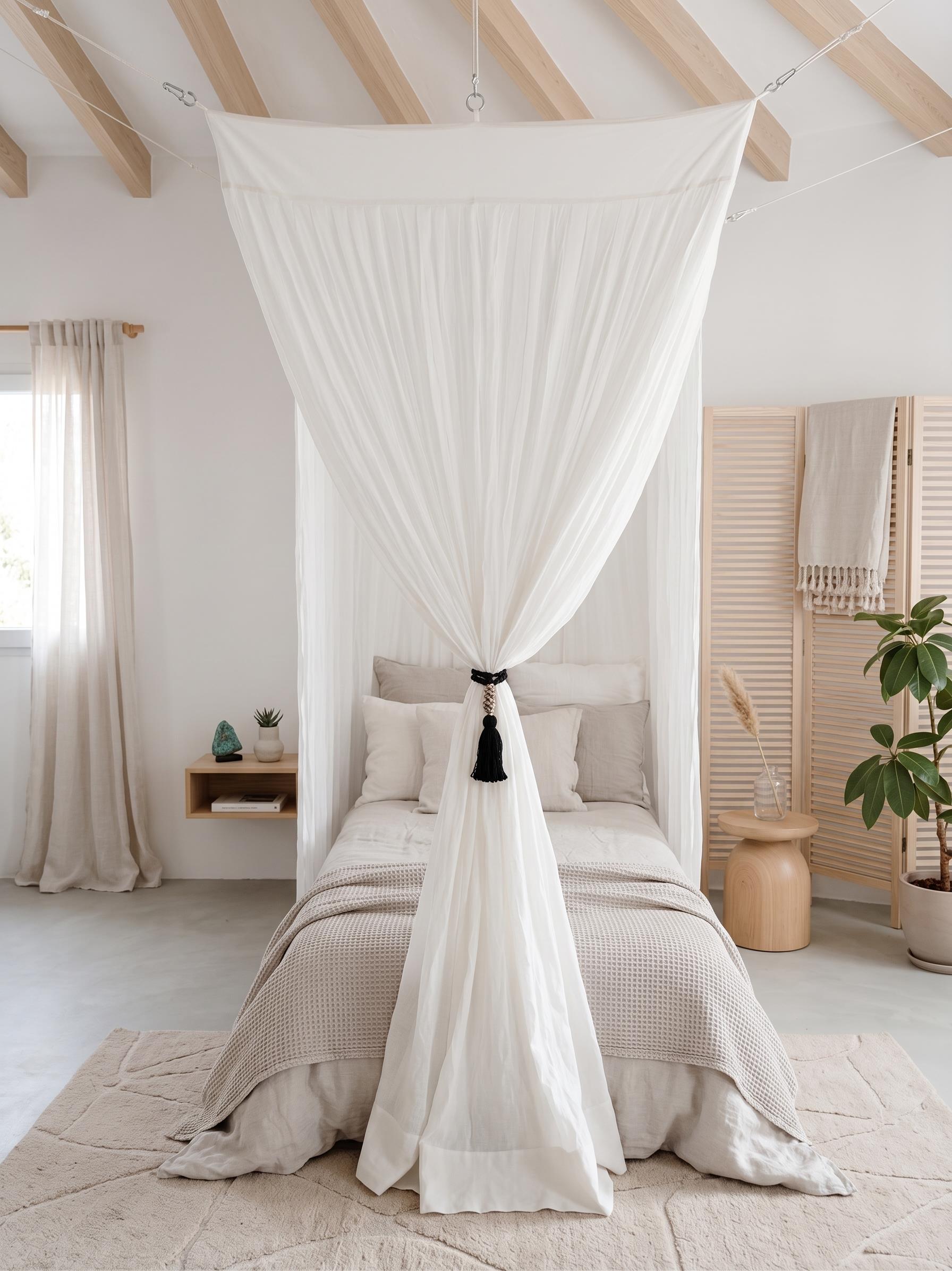
A peaceful bedroom is rarely created by one dramatic design decision. More often, it emerges from thoughtful layers: gentle fabrics, uncluttered surfaces, warm lighting and a sense of separation from the noise of everyday life. A beautifully designed mosquito net can bring these elements together. Brands such as Nusarah approach the net not simply as a barrier against insects, but as a considered part of the room, combining practical protection with graceful silhouettes and natural textures. Why Softness Matters in Bedroom DesignBedrooms contain more straight lines than we tend to notice. Bed frames, wardrobes, window edges and bedside tables create a succession of hard boundaries. This structure can feel orderly, but without something to soften it, a room may also seem stark. A canopy of fabric changes the visual rhythm. Its folds introduce movement, and its translucent layers allow light to filter through rather than stopping it abruptly. Even in a relatively compact bedroom, a carefully chosen net can create an intimate sleeping area without the weight of a solid room divider. Texture has an equally important role. The contrast between smooth cotton bedding, unfinished wood and airy netting adds depth while keeping a restrained color palette interesting. The effect is subtle. You notice the atmosphere before you notice the individual objects. A Mosquito Net Should Do More Than Look BeautifulThe visual appeal of a canopy is only part of its purpose. Where mosquitoes are a concern, an appropriately designed mosquito net provides a physical barrier while you sleep. That benefit depends on more than the fabric’s appearance. A good fit matters. The net should provide enough clearance around the mattress so that the mesh does not press against the sleeper, and its entrances should close neatly. The bottom edge needs to be arranged so insects cannot easily enter. Small gaps can undermine otherwise careful preparation. Airflow deserves attention too. Fine mesh must balance ventilation with the need to keep insects out. Choosing a net for its intended use, checking its condition regularly and following the manufacturer’s installation instructions are all part of using it effectively. A beautiful bedroom is more inviting when comfort and function are planned together. Cotton or Polyester: Understanding the DifferenceThe material you select influences both the character of the room and the way the net behaves over time. The Relaxed Character of Natural CottonNatural cotton has an appealing softness and a slightly textured drape. It suits interiors built around timber, linen, rattan and earthy colors. Rather than appearing perfectly rigid, cotton creates a gentle, lived-in quality that works especially well in bohemian and understated luxury bedrooms. Cotton also calls for thoughtful care. Washing and drying should follow the product label, and gentle handling helps preserve delicate finishing details. For anyone who loves tactile materials and traditional craftsmanship, these small routines may be part of the appeal. The Lightness of PolyesterPolyester mesh typically offers a more uniform appearance. It is lightweight, holds its shape well and generally resists creasing, making it attractive for people who prefer a cleaner silhouette or expect to put their net away between seasons. Neither material is universally better. The right choice depends on the room, the desired look, maintenance preferences and whether the design is made for indoor or outdoor use. A net intended for a bedroom should not automatically be treated as suitable for an exposed terrace. Shape Changes the Entire Feeling of a RoomRound mosquito nets hang from a central point and create a flowing, almost sculptural outline. Their shape is particularly appealing when the aim is to soften a room with minimal visible hardware. The gathered fabric can give a simple bed a distinctive focal point. Rectangular nets create a different mood. Suspended from several points, they frame the bed more architecturally and provide a sense of proportion around larger mattresses. Their straight sides can complement a modern interior without sacrificing the gentleness of draped fabric. Before choosing, consider ceiling height, bed width and the space needed to walk around the mattress. Sloping ceilings require particular attention to suspension points. A design that looks effortless usually begins with careful measurements. Bringing Natural Materials Into the PictureThe most convincing tranquil interiors rarely rely on matching every accessory. Instead, they repeat a small selection of materials in different ways. Woven baskets can echo a rattan lamp. A cotton throw can connect visually with a canopy. A muted green cushion can pick up the color of a plant near the window. These relationships make a room feel composed without making it feel staged. They also leave room for personal objects: a favorite ceramic bowl, a well-read book or a handmade piece collected while traveling. Craftsmanship adds another dimension. Hand-finished details carry the marks of intentional work, and products made in smaller batches can offer an alternative to disposable decor. When looking for responsibly made pieces, it is worth asking how materials are sourced, how makers are treated and whether items are designed for long-term use. Sustainability is a practice, not merely a visual style. Look closely at packaging as well. A reusable fabric bag can be useful long after a purchase arrives, while sturdy construction may reduce the need for frequent replacement. None of these choices makes an object impact-free, and sweeping environmental claims deserve scrutiny. Yet asking informed questions is a practical way to move beyond fleeting trends and invest in belongings that fit both personal taste and everyday needs. Creating a Bedroom Ritual Around RestA calm space becomes more meaningful when daily habits support it. Instead of treating the bedroom as a storage area for unfinished tasks, make it a place with clear cues for winding down. Evening light is a useful starting point. Harsh overhead lighting can be replaced with a softer bedside lamp before sleep. Keep frequently used objects within reach, but give everything else a home outside the immediate sleeping area. Allow fresh air into the room when conditions permit, and keep fabrics clean and well maintained. The mosquito net can become part of that routine. Drawing it closed signals a small transition from activity to rest, much like turning down the lights or putting a phone aside. This is not a promise of perfect sleep. It is simply an invitation to create a more deliberate boundary around a part of the day that deserves care. Making the Details Work TogetherStart with the bed, because it is the largest visual element in most bedrooms. Choose bedding in colors that sit comfortably alongside the net rather than compete with it. Then look at the surrounding furniture: lighter silhouettes and natural finishes often help fabric remain the focal point. Finally, check the practical details. Make sure the hanging hardware suits the ceiling or supporting structure, that the entrances are easy to use and that the fabric can be stored safely when not needed. A reusable cotton storage bag keeps a clean net protected between uses. With those decisions made, the bedroom can feel quietly layered instead of overly decorated, with room for texture, fresh air and the everyday pleasure of a space arranged around rest. |